
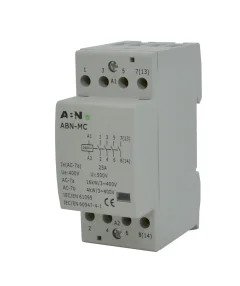
Electrical contractors and engineers face increasing demands for efficient, reliable, and space-saving solutions in residential and light commercial installations. Traditional contactors, while functional, often fall short of meeting the evolving needs of modern electrical systems. Enter modular contactors—a revolutionary approach to electrical switching that’s transforming how professionals design and implement control systems.
These compact switching devices represent a significant leap forward in electrical control technology. Unlike their bulkier predecessors, modular contactors offer a perfect blend of performance, efficiency, and practicality that addresses the most pressing challenges in electrical installations. From silent operation to seamless integration, these devices are reshaping industry standards and setting new benchmarks for what electrical control equipment should deliver.
The shift toward modular contactors isn’t just a trend—it’s a response to real industry needs. As buildings become smarter and electrical systems more complex, the demand for versatile, efficient switching solutions continues to grow. Let’s explore the five compelling reasons why modular contactors have become indispensable components in modern electrical systems.
- Space-Saving Design Maximizes Panel Efficiency
Modern electrical panels face a constant challenge: accommodating more functionality within limited space. Modular contactors address this challenge head-on with their incredibly compact design that doesn’t compromise on performance.
These devices typically measure a fraction of the size of traditional contactors while maintaining the same switching capabilities. Their modular design allows multiple units to be installed side-by-side on standard DIN rails, creating a clean, organized panel layout that maximizes available space.
The space efficiency extends beyond just physical dimensions. Modular contactors eliminate the need for additional mounting hardware and complex wiring arrangements that traditional contactors often require. This streamlined approach reduces overall panel size requirements and creates more room for other essential components.
For electrical contractors working on retrofit projects or space-constrained installations, this compact design proves invaluable. The ability to fit more switching capability into existing panels means fewer costly panel upgrades and more straightforward installations.
- Silent Operation Enhances User Experience
Noise pollution from electrical equipment has become a significant concern in residential and commercial applications. Traditional contactors often produce audible clicking sounds during operation, which can be disruptive in quiet environments such as bedrooms, offices, or healthcare facilities.
Modular contactors revolutionize this aspect with their virtually silent operation. Advanced switching mechanisms and precision engineering eliminate the mechanical noise typically associated with contactor operation. This silent performance makes them ideal for applications where noise reduction is critical.
The benefits of quiet operation extend beyond user comfort. In commercial settings, reduced noise levels contribute to better working conditions and compliance with noise regulations. For residential applications, homeowners appreciate the seamless operation that doesn’t disturb daily activities or sleep.
This silent operation doesn’t come at the cost of reliability. The same engineering that reduces noise also enhances the mechanical precision of the switching action, often resulting in improved longevity and consistent performance over time.
- Low Power Consumption Reduces Operating Costs
Energy efficiency has become a paramount concern in electrical system design. Modular contactors excel in this area by consuming significantly less power than traditional alternatives, particularly in their coil circuits.
The reduced power consumption stems from advanced coil designs and materials that require less energy to maintain the switched state. This efficiency translates directly into lower operating costs over the device’s lifetime, making them an economically attractive choice for both new installations and retrofits.
Lower power consumption also means less heat generation within the electrical panel. This thermal efficiency contributes to improved overall system reliability and can reduce the need for additional cooling measures in densely packed panels.
For facilities managers and building owners, these energy savings compound over time. The reduced electrical load from switching equipment contributes to lower utility bills and supports broader sustainability initiatives.
- Versatile Applications Across Multiple Industries
The adaptability of modular contactors makes them suitable for an impressive range of applications. From simple lighting control to complex heating systems, these devices handle diverse switching requirements with equal effectiveness.
In heating applications, modular contactors excel at controlling electric heating elements, boilers, and HVAC systems. Their reliable switching action and ability to handle inductive loads make them ideal for these demanding applications. The availability of different current ratings—including 20A, 25A, 40A, and 63A options—ensures proper matching to specific load requirements.
Lighting control represents another significant application area. Modular contactors provide reliable switching for large lighting installations, emergency lighting systems, and automated lighting controls. Their silent operation proves particularly valuable in these applications where noise would be disruptive.
General control applications benefit from the flexibility offered by modular contactors. Whether controlling motors, pumps, or other electrical equipment, these devices provide dependable switching with the added benefits of compact size and efficient operation.
Day/night contactors with manual override functions extend the versatility further, enabling automatic switching based on time schedules while maintaining manual control capability when needed.
- Easy Integration and Maintenance
Modern electrical systems demand components that integrate seamlessly with existing infrastructure while minimizing maintenance requirements. Modular contactors excel in both these critical areas.
The DIN rail mounting system ensures quick and secure installation in standard electrical panels. This standardized approach eliminates the need for custom mounting solutions and reduces installation time significantly. Electricians can install, replace, or relocate these devices quickly without extensive panel modifications.
Multiple coil voltage options—including 24VAC, 48VAC, 110VAC, and 230VAC—provide flexibility in control circuit design. This range of options allows engineers to select the most appropriate voltage for their specific application while maintaining consistency with existing control systems.
Maintenance requirements remain minimal due to the robust construction and reliable switching mechanisms. The modular design also means that individual contactors can be replaced quickly without affecting adjacent devices or requiring extensive panel downtime.
Compliance with international standards IEC/EN 61095 and IEC/EN 60947-4-1 ensures compatibility with global electrical codes and provides confidence in performance and safety. This standardization simplifies specification and procurement processes while ensuring reliable operation across different markets.
The Future of Electrical Control is Modular
The transition to modular contactors represents more than just an equipment upgrade—it’s a fundamental shift toward more efficient, reliable, and user-friendly electrical systems. These devices address the real challenges faced by electrical professionals while providing tangible benefits to end users.
As electrical systems continue to evolve and become more sophisticated, the advantages of modular contactors become increasingly apparent. Their combination of compact design, silent operation, energy efficiency, versatility, and ease of integration positions them as the preferred choice for modern electrical installations.
For electrical contractors, engineers, and facility managers looking to optimize their electrical systems, modular contactors offer a proven solution that delivers immediate and long-term benefits. The investment in these advanced switching devices pays dividends through reduced installation time, lower operating costs, and improved system performance.
Consider evaluating your current electrical control requirements and explore how modular contactors could enhance your next project. The future of electrical control is already here—compact, efficient, and ready to transform your electrical systems.