
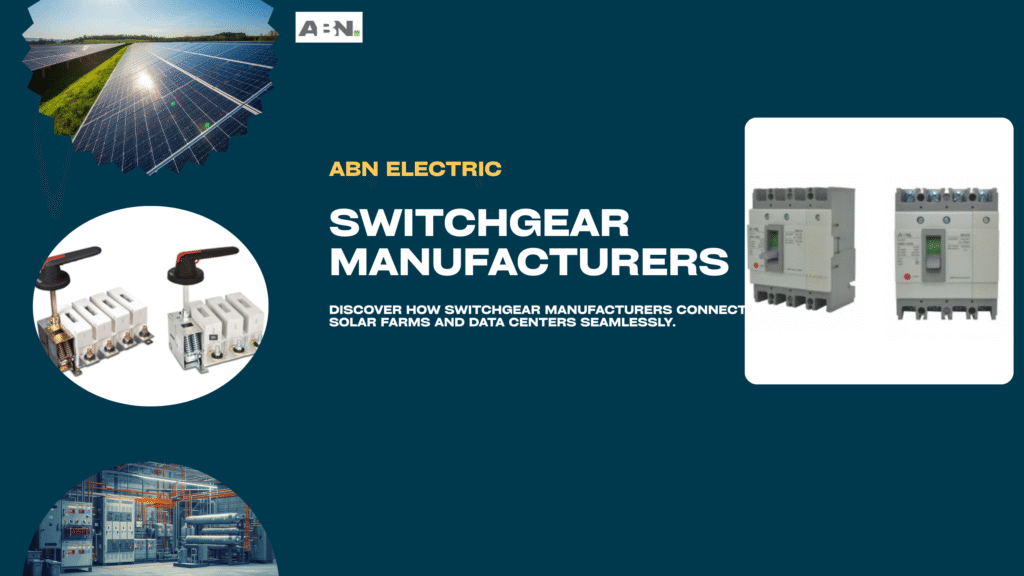
Electricity is the lifeblood of modern civilization, but raw power needs direction, control, and protection to be useful. Whether it’s the quiet hum of a server room or the sun-drenched expanse of a solar farm, complex electrical systems are working behind the scenes to keep the lights on and the data flowing. At the heart of this infrastructure lies a critical, often overlooked component: switchgear.
While most people might never think about the heavy-duty circuit breakers and disconnect switches that manage our power grids, industries across the globe rely on them every second of the day. As energy demands evolve and the push for sustainability grows, the role of switchgear manufacturers has expanded far beyond simple power distribution. They are now pivotal partners in modernizing infrastructure, ensuring uptime for critical digital services, and facilitating the global transition to green energy.
This article explores the versatile role of switchgear in today’s industrial landscape, examining how these essential components are tailored to meet the unique demands of sectors ranging from renewable energy to high-tech data centers.
The Critical Role of Switchgear in Modern Infrastructure
Before diving into specific industries, it is essential to understand what switchgear actually does. In simple terms, switchgear is a centralized collection of circuit breakers, fuses, and switches (circuit protection devices) that function to protect, control, and isolate electrical equipment.
Top-tier switchgear manufacturers design these systems to de-energize equipment to allow work to be done and to clear faults downstream. This reliability is directly linked to the stability of the power supply. Without robust switchgear, a simple short circuit could lead to catastrophic equipment failure, fires, or prolonged blackouts.
As industries digitize and automate, the tolerance for power interruption hits zero. This has pushed manufacturers to innovate, creating “smart” switchgear equipped with sensors and IoT capabilities that predict failures before they happen.
Powering the Green Revolution: Solar and Wind Farms
The renewable energy sector presents a unique set of challenges for electrical infrastructure. Unlike traditional power plants that generate steady, predictable output, renewable sources like solar and wind are intermittent and geographically dispersed.
Handling Variable Loads
Solar farms, for instance, experience massive fluctuations in power generation based on cloud cover and time of day. Switchgear manufacturers must design robust solutions that can handle these rapid changes in load without tripping the system. High-quality switchgear ensures that the variable energy produced is smoothed out and safely integrated into the main grid.
Harsh Environmental Conditions
Renewable energy sites are often located in remote, harsh environments—from the scorching deserts housing solar arrays to the salty, humid air of offshore wind farms. Manufacturers like ABN Electric address these challenges by producing weather-proof enclosures and corrosion-resistant components. These specialized units ensure that the switchgear operates reliably for decades, despite exposure to extreme elements.
Data Centers: The Backbone of the Digital Economy
If renewable energy is the future of power, data centers are the engine of the modern economy. For tech giants and cloud service providers, downtime is not just an inconvenience; it is a financial disaster.
Zero Tolerance for Downtime
Data centers require what is known as “five nines” availability (99.999% uptime). To achieve this, switchgear manufacturers provide specialized Automatic Transfer Switches (ATS). These devices detect utility power failures instantly and seamlessly switch the load to backup generators or battery systems. This transition happens so quickly that servers never go offline, preserving data integrity.
Efficiency and Cooling
Data centers consume enormous amounts of power, much of which generates heat. Modern switchgear is designed to be compact and energy-efficient, reducing the overall heat load in the facility. By optimizing the electrical distribution system, manufacturers help data centers reduce their Power Usage Effectiveness (PUE) scores, making them greener and cheaper to run.
Healthcare: When Power is a Matter of Life and Death
In a hospital, a power outage isn’t just about lost data or revenue—it puts lives at risk. Critical care units, operating theaters, and life-support systems depend on an uninterrupted power supply.
Selective Coordination
Switchgear in healthcare facilities is designed with precise “selective coordination.” This means that if a fault occurs in one specific circuit (perhaps due to a faulty piece of medical equipment), only the breaker nearest to that fault trips. The rest of the hospital’s power remains unaffected. Leading switchgear manufacturers engineer these systems to isolate issues immediately, ensuring that a problem in the laundry room doesn’t affect the ICU.
Hygiene and Safety Standards
Beyond electrical reliability, equipment in healthcare settings must meet rigorous safety standards. Manufacturers often provide specialized, sterile-grade panels and non-corrosive materials that can withstand rigorous cleaning protocols required in medical environments.
Industrial and Manufacturing Complexes
Heavy industry requires brute strength combined with precision control. Manufacturing plants, whether they are producing automobiles or processing food, utilize high-voltage machinery that puts significant stress on electrical systems.
Motor Control and Protection
Industrial complexes rely heavily on electric motors for conveyor belts, pumps, and assembly robots. Switchgear manufacturers supply Motor Control Centers (MCCs) that govern the performance of these motors. These units protect expensive machinery from voltage spikes and overloads, preventing costly repairs and production halts.
Retrofitting and Modernization
Many industrial facilities operate on aging infrastructure. Replacing an entire electrical system is often too costly and disruptive. innovative manufacturers offer retrofit solutions, upgrading old switchgear with modern vacuum circuit breakers and digital monitoring relays. This extends the life of the existing infrastructure while bringing it up to modern safety standards.
Marine and Offshore Applications
The marine industry faces perhaps the most hostile operating environment of all. Saltwater is highly conductive and corrosive, making electrical safety a paramount concern for ships and oil rigs.
Compact and Vibration-Resistant Designs
Space on a vessel is at a premium. Switchgear manufacturers must engineer compact, high-density solutions that fit into tight bulkheads. Furthermore, these systems must be vibration-resistant to withstand the constant motion of the sea and the rumble of ship engines.
Isolation and Safety
In the event of an electrical fault at sea, there is no fire department to call. Therefore, marine switchgear prioritizes arc-flash containment and rapid isolation capabilities to prevent fires before they start. Manufacturers work closely with marine architects to ensure every breaker and busbar meets strict international maritime safety certifications.
The Future of Switchgear: Smart and Sustainable
As we look toward the future, the role of switchgear manufacturers is evolving from hardware suppliers to data providers. The integration of AI and IoT is creating “smart grids.”
Modern switchgear can now communicate its health status in real time. Sensors monitor temperature, humidity, and wear on contacts, sending data back to a central hub. This allows facility managers to perform predictive maintenance—fixing a component just before it fails rather than reacting to a blackout.
Furthermore, sustainability is driving material innovation. Manufacturers are moving away from SF6 gas (a potent greenhouse gas traditionally used in high-voltage switchgear) toward eco-friendly alternatives. Companies like ABN Electric are at the forefront of this shift, ensuring that the equipment powering our future doesn’t compromise the environment.
Conclusion
From the silent, sterile corridors of a hospital to the roaring engine room of a cargo ship, switchgear is the invisible framework that makes modern operations possible. As industries become more complex and energy demands rise, the reliance on high-quality, specialized electrical infrastructure will only deepen.
Choosing the right partner for your electrical needs is crucial. Whether you need robust solutions for a renewable energy project or precision control for a data center, working with experienced switchgear manufacturers ensures your operations remain safe, efficient, and powered for the long haul.
For businesses looking to upgrade their infrastructure or embark on new projects, connecting with a proven industry leader is the first step toward energy security. To learn more about customized electrical solutions, we encourage you to contact us at ABN Electric and discover how we can power your vision.