
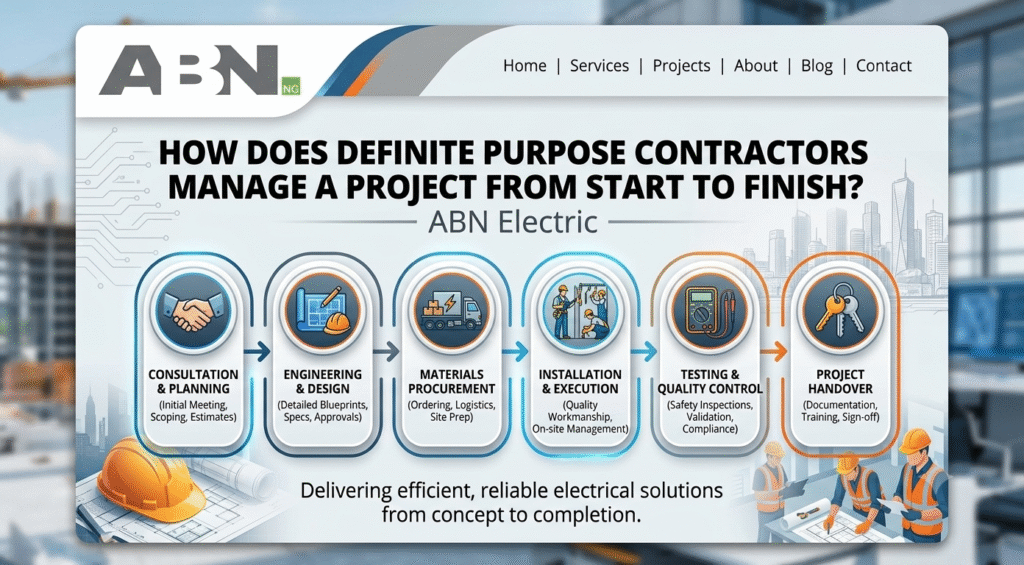
Although this topic mentions Definite Purpose Contractors, it refers to Definite Purpose Contactors, which are specialized electrical switching devices used in HVAC systems, refrigeration units, compressors, and industrial electrical control panels. Choosing the right contactor from the beginning of an electrical project helps improve operational efficiency, reliability, and long-term system performance.
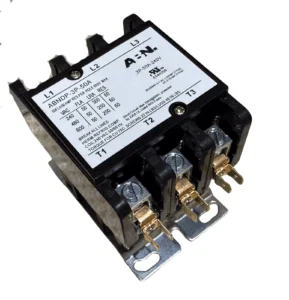
Whether you’re designing a commercial HVAC system or managing a large-scale industrial automation project in Dubai, Definite Purpose Contactors play a critical role at every stage. From initial planning and component selection to installation, commissioning, and maintenance, these electrical switching devices determine how reliably your equipment performs over time.
This guide walks you through each phase of an electrical project and explains exactly how Definite Purpose Contactors contribute to success from start to finish.
How Do Definite Purpose Contactors Support a Project from Start to Finish?
Definite Purpose Contactors support electrical projects by providing reliable switching control at every stage—from component selection and circuit design to installation, testing, and long-term operation. Engineers select the correct pole configuration (2-pole, 3-pole, or 4-pole) based on load requirements. Proper installation, commissioning, and routine maintenance then ensure stable performance, reduced downtime, and extended equipment life across HVAC, refrigeration, and industrial applications.
What Are Definite Purpose Contactors?
A Definite Purpose Contactor is an electrical switching device designed for specific applications such as HVAC systems, refrigeration equipment, compressors, and motor control circuits. Unlike general-purpose contactors, these devices are engineered to handle the unique electrical demands of their designated application.
They come in a range of current ratings—typically 20A to 90A—and are available in 1-pole, 2-pole, 3-pole, and 4-pole configurations. Each configuration suits a different application, from residential air conditioning to heavy industrial power systems.
Key construction features include high arc-resistant phenolic resin terminals, engineered internal compounds for mechanical durability, and insulation class B (130°C) ratings. These features give Definite Purpose Contactors a life cycle exceeding 250,000 electrical operations and 1,000,000 mechanical operations, making them highly dependable components for demanding environments.
Why Choosing the Right Contactor Matters More Than You Think
Selecting the wrong contactor is one of the most costly mistakes in any electrical project. An undersized or incorrectly configured contactor can fail prematurely, trip protective devices, and cause unplanned equipment shutdowns.
In commercial HVAC systems and refrigeration systems, even brief downtime can result in significant financial losses. Industrial contactors that aren’t rated for the actual load will degrade faster, increasing maintenance costs and reducing overall system lifespan.
Choosing the right Definite Purpose Contactor from the beginning protects your equipment, reduces operational costs, and keeps your project on schedule.
How Do Definite Purpose Contactors Fit Into Each Stage of an Electrical Project?
The table below summarizes how Definite Purpose Contactors contribute at each stage of an electrical project:
| Project Stage | Role of Definite Purpose Contactors |
| Planning | Component Selection |
| Design | Correct Pole Configuration |
| Installation | Safe Electrical Connections |
| Testing | Reliable Switching |
| Operation | Stable Equipment Performance |
| Maintenance | Reduced Downtime |
Each stage depends on an earlier one. A contactor selected correctly during planning makes every downstream phase more straightforward and more reliable.
How Should Engineers Plan an Electrical Project Around Contactor Selection?
Effective planning starts with a clear understanding of the load requirements. Engineers must identify the voltage, current, and frequency of the circuit before selecting a contactor. They also need to confirm whether the application involves single-phase or three-phase power.
During the planning phase, consider the environment where the contactor will operate. High ambient temperatures, humidity, dust, and vibration all affect contactor performance. Choosing a contactor rated for the actual operating environment prevents premature failure.
Finally, confirm compliance with relevant standards. For HVAC and refrigeration applications, the ARI 780/790 standard is a widely accepted benchmark. ABN’s Definite Purpose Contactors meet this standard, ensuring suitability for commercial and industrial HVAC applications.
How Do You Select the Right Pole Configuration for Your Application?
Pole configuration is one of the most important decisions in contactor selection. Choosing incorrectly means the contactor won’t match the circuit design, leading to safety risks and performance failures.
The table below outlines the correct contactor type for each application:
| Contactor Type | Typical Applications |
| 2 Pole Contactor | Residential HVAC |
| 3 Pole Contactor | Commercial HVAC |
| 4 Pole Contactor | Industrial Equipment |
| Compressor Contactor | Refrigeration Systems |
| HVAC Contactor | Air Conditioning Systems |
A 2 pole contactor is typically used in single-phase residential air conditioner applications. A 3 pole contactor suits three-phase commercial HVAC systems and motor control circuits. A 4 pole contactor handles industrial equipment where all four poles must be switched simultaneously.
Compressor contactors are designed specifically for the high inrush currents that compressor motors generate during startup. HVAC contactors are optimized for the continuous duty cycles of air conditioning systems.
When in doubt, consult a qualified electrical engineer or reach out to a trusted Definite Purpose Contactor supplier who can guide your selection based on your application requirements.
What Engineers Should Know Before Installation
Before installation begins, engineers and technicians should verify several critical factors. First, confirm the contactor’s voltage rating matches the supply voltage. Second, check the full-load current rating against the actual connected load. Third, inspect the coil voltage to ensure compatibility with the control circuit.
Always follow the manufacturer’s wiring diagram during installation. Incorrect wiring creates arc flash hazards, equipment damage, and safety risks. Ensure all terminal connections are tight and correctly torqued to prevent loose connections, which cause overheating.
Mount the contactor in the correct orientation as specified by the manufacturer. ABN’s ABN-DP series electrical contactors are designed to perform consistently regardless of mounting direction, which provides flexibility in panel layout design.
Verify that the control panel enclosure provides adequate ventilation. Poor airflow inside the panel accelerates thermal degradation of the contactor and surrounding components.
How Are Definite Purpose Contactors Used Across HVAC, Refrigeration, and Industrial Systems?
Definite Purpose Contactors serve a wide range of applications across several industries. Understanding these applications helps buyers and engineers select the most suitable component for their specific project.
HVAC Systems: Air conditioner contactors control the compressor and condenser fan motors in both residential and commercial HVAC systems. These contactors must handle frequent switching cycles without degrading. Commercial HVAC systems often rely on 3-pole contactors for three-phase compressor motors.
Refrigeration Systems: Compressor contactors in refrigeration systems manage high inrush currents during motor startup. Reliable electrical control in refrigeration equipment is critical in cold storage, food processing, and pharmaceutical facilities.
Industrial Automation: Industrial contactors are key components in motor control centers, control panel components, and electrical distribution boards. They manage motors, pumps, conveyors, and other industrial power systems in manufacturing environments.
Pumps and Compressors: Motor control applications involving pumps and compressors require contactors rated for the specific duty cycle and load profile of the motor. Selecting a contactor with appropriate electrical life ratings ensures long-term reliability in these demanding applications.
How Do You Maintain Definite Purpose Contactors for Long-Term Performance?
Maintenance is often overlooked, but it directly determines how long contactors last and how reliably equipment operates. A structured maintenance routine reduces unplanned downtime and extends component life.
Inspect contact surfaces regularly for signs of wear, pitting, or carbon buildup. Worn contacts increase resistance and generate excessive heat, accelerating further degradation. Replace contact assemblies before they cause system failures.
Check coil resistance periodically. A coil that draws excessive current or shows signs of overheating may be nearing the end of its service life. Replacing the coil early avoids unexpected contactor failure.
Inspect all terminal connections during maintenance intervals. Vibration from connected motors and compressors can loosen terminals over time. Tightening connections during scheduled maintenance prevents overheating and contact failure.
Keep the contactor and surrounding panel clean and free from dust and moisture. Contamination inside the contactor housing can cause insulation breakdown and premature failure.
Common Mistakes When Selecting Definite Purpose Contactors
Incorrect voltage selection is one of the most frequent errors. Applying a contactor rated for the wrong supply voltage causes coil burnout or insufficient magnetic force to close the contacts properly. Always verify the supply voltage before ordering.
Wrong pole configuration causes serious operational and safety problems. Using a 2-pole contactor where a 3-pole unit is required leaves one phase unswitched, creating imbalanced loads and motor damage over time.
Improper sizing means selecting a contactor with a current rating below the actual full-load current of the connected equipment. An undersized contactor runs hot continuously, which dramatically reduces its service life and increases failure risk.
Unsuitable environmental conditions shorten contactor life significantly. Installing a standard-rated contactor in a high-temperature, humid, or corrosive environment without appropriate derating causes premature failure. Always check the contactor’s environmental specifications against actual site conditions.
Poor installation practices introduce risks that proper product selection cannot overcome. Loose terminals, incorrect wiring, and improper mounting compromise even the highest-quality electrical contactors.
Neglected maintenance allows minor wear to develop into system-wide failures. Contactors in HVAC and refrigeration systems switch thousands of times per year. Without regular inspection and timely replacement of worn components, the risk of unexpected failure increases substantially.
Why Quality Contactors Reduce Downtime
Equipment downtime in commercial and industrial facilities is expensive. HVAC system failures in commercial buildings disrupt operations and occupant comfort. Refrigeration failures in cold storage or food processing can result in product losses and regulatory violations.
Investing in high-quality Industrial Contactors reduces the frequency of maintenance interventions and unplanned shutdowns. A contactor with a proven electrical life of 250,000 operations and mechanical life of 1,000,000 operations delivers measurable reliability over the lifespan of the connected equipment.
Reliable electrical solutions at the component level translate directly into consistent, cost-effective system performance at the project level.
Why Choose ABN for Definite Purpose Contactors in Dubai?
ABN is a trusted supplier of industrial electrical equipment in Dubai, UAE, supporting electrical contractors, HVAC contractors, OEMs, facility managers, and panel builders across the region.
ABN supplies the ABN-DP series of Definite Purpose Contactors, available in 1-pole, 2-pole, 3-pole, and 4-pole configurations with current ratings from 20A to 90A. These contactors meet the ARI 780/790 standard and are engineered for demanding HVAC, refrigeration, and industrial applications.
The ABN-DP series is a direct one-for-one replacement for the Furnas DP contactor, making it a practical choice for maintenance and retrofit projects. Special auxiliary contacts, optional terminal connections, and a wide range of coil voltages give engineers flexibility in circuit design.
ABN provides technical support to help customers select the right contactor for their specific application, load profile, and environmental conditions. Whether you’re sourcing components for a new commercial HVAC installation, a refrigeration plant, or an industrial control panel, ABN offers the product range and expertise to support your project from start to finish.
From Equipment Selection to Long-Term Performance: The Contactor’s Role in Every Project
Definite Purpose Contactors aren’t just components—they’re the control points that determine how reliably every connected system performs. From the planning stage, where the correct pole configuration and current rating must be confirmed, to long-term operation, where consistent switching performance keeps equipment running, these devices are central to project success.
Choosing the right contactor reduces installation complications, minimizes commissioning delays, and protects connected equipment from premature failure. Maintaining contactors properly extends their service life and keeps systems operating within specification year after year.
For electrical contractors, HVAC engineers, and facility managers working on projects in Dubai and across the UAE, sourcing reliable Definite Purpose Contactors from a proven supplier is one of the most impactful decisions you can make for long-term project performance.
Frequently Asked Questions (FAQs)
What are Definite Purpose Contactors used for?
Definite Purpose Contactors are electrical switching devices used to control HVAC systems, refrigeration equipment, compressors, pumps, and industrial motors. They are designed for specific applications and rated for the electrical demands of those systems, providing reliable switching performance throughout the equipment’s operational life.
What is the difference between a 2-pole, 3-pole, and 4-pole contactor?
A 2-pole contactor suits single-phase residential HVAC applications. A 3-pole contactor handles three-phase commercial HVAC and motor control circuits. A 4-pole contactor is used for industrial equipment where all four poles must be switched. Selecting the correct configuration is essential for safe and reliable operation.
How do I know if my contactor needs to be replaced?
Signs of a failing contactor include visible contact wear or pitting, excessive heat at terminals, coil overheating, chattering or humming during operation, and frequent tripping of connected protective devices. Regular inspection during scheduled maintenance helps identify these issues before they cause equipment failure.
Where can I buy Definite Purpose Contactors in Dubai, UAE?
ABN supplies a complete range of Definite Purpose Contactors in Dubai, UAE, including 2-pole, 3-pole, and 4-pole configurations rated from 20A to 90A. ABN’s team provides technical support to help engineers and contractors select the right contactor for HVAC, refrigeration, and industrial applications.