In any complex system, from a busy highway to a factory floor, clear communication and precise control are essential for safety. A simple red light prevents collisions, and a warning alarm alerts workers to danger. In industrial and commercial environments, this critical function is performed by control and signaling devices. These components are the fundamental interface between humans and machines, translating our intentions into actions and providing vital feedback about operational status. Understanding their role is key to creating a safer, more efficient workplace.
This post will explore the importance of these devices in modern electrical systems. We will cover the different types available, their specific functions in enhancing safety, and how choosing the right components can prevent accidents and protect both personnel and equipment. By the end, you will have a clearer picture of why these seemingly simple buttons and lights are indispensable for any safety-conscious operation.
What Are Control and Signaling Devices?
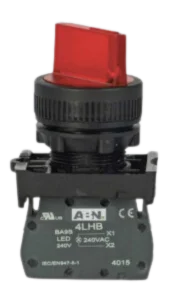
Control and Signaling Devices are a broad category of components that allow operators to manage and monitor electrical circuits, machinery, and industrial processes. They act as the primary points of contact, enabling users to start, stop, or alter a machine’s function while also providing visual or audible feedback about its status.
Think of the dashboard of a car. The steering wheel, pedals, and gearshift are control devices, allowing you to direct the vehicle. The speedometer, fuel gauge, and warning lights are signaling devices, keeping you informed. In an industrial setting, these devices serve a similar purpose but are designed for the rigors of factory floors, control panels, and heavy machinery. They are built for durability, reliability, and clear, unambiguous operation, ensuring that every command is executed precisely and every signal is easily understood.
Key Types of Control and Signaling Devices
While the category is extensive, these devices generally fall into a few primary types, each serving a distinct purpose. Based on the offerings from specialists like ABN Electric, these components are designed for various applications, from simple pushbuttons to more complex selector switches.
Pushbuttons
Pushbuttons are the most common type of control device. They allow an operator to complete or break an electrical circuit with a simple press. They are used for basic functions like “start,” “stop,” or “jog” (a momentary action). They are available in different colors—typically green for start and red for stop—to provide an immediate visual cue for their function, reducing the chance of accidental operation.
Emergency Stop Buttons
A critical subset of pushbuttons is the emergency stop. These are large, often mushroom-shaped buttons, universally colored red on a yellow background for high visibility. An emergency stop button is designed to be hit quickly in a crisis to shut down all machine operations immediately. Unlike standard stop buttons, they often latch in the pressed position and require a specific action, like twisting or pulling, to reset. This feature ensures machinery cannot be restarted accidentally before the hazardous situation has been resolved.
Selector Switches
When more than two options are needed, selector switches are the solution. These are operated by turning a knob or key to select a specific operating mode, such as “manual/automatic” or “high/low speed.” They provide a clear, fixed selection, preventing unauthorized or accidental changes to a machine’s operating state. Key-operated switches add another layer of security, restricting access to certain functions to authorized personnel only.
Indicator Lights
Indicator lights, also known as pilot lights, are the primary signaling devices. They provide visual feedback on the status of a machine or process. Common uses include:
- Power On: Indicating that a machine is energized.
- Running: Showing that a process is active.
- Fault/Warning: Alerting operators to a problem, often with amber or red lights.
- Completion: Signaling that a cycle has finished.
By using a standardized color code (e.g., red for danger, green for normal, yellow for caution), these lights communicate essential information at a glance, allowing operators to monitor multiple systems efficiently and respond quickly to any changes.
How These Devices Boost Safety in the Workplace
Integrating high-quality control and signaling devices is not just about functionality; it’s a cornerstone of a comprehensive safety strategy. Their impact can be seen across several key areas.
Preventing Human Error
Well-designed controls and clear signals reduce the cognitive load on operators. Ergonomic, intuitively designed pushbuttons and switches make correct operation feel natural, while color-coded, bright indicator lights cut through the noise of a busy environment. This clarity minimizes the risk of an operator pressing the wrong button or misinterpreting a machine’s status, which could lead to accidents, equipment damage, or production downtime.
Enabling Rapid Emergency Response
In an emergency, every second counts. An easily accessible and highly visible emergency stop button can be the difference between a minor incident and a major catastrophe. It provides a foolproof way for anyone to halt dangerous machine movement immediately, protecting operators and bystanders from harm. Similarly, flashing warning lights and audible alarms instantly draw attention to hazardous conditions, prompting swift evacuation or intervention.
Ensuring Controlled and Authorized Operation
Selector switches, particularly those operated by keys, are vital for access control. They ensure that only trained and authorized personnel can change critical machine settings or place a system into maintenance mode. This prevents unqualified individuals from creating a dangerous situation through ignorance or error. Locking out certain functions helps enforce safety protocols and maintains the integrity of the process.
Providing Clear System Status
A lack of information is a significant safety risk. Indicator lights provide constant, unambiguous feedback on whether a system is live, running correctly, or experiencing a fault. This knowledge allows operators to make informed decisions. For example, a “power on” light serves as a constant reminder that a machine is energized and should be handled with caution, even if it is not currently in motion.
Choosing the Right Devices for Your Needs
Selecting the appropriate control and signaling devices is crucial for maximizing safety and reliability. When choosing components, consider the following:
- Environment: Will the devices be exposed to dust, water, or chemicals? Select components with the appropriate IP (Ingress Protection) rating for durability.
- Ergonomics: Are the controls easy to operate, even with gloves on? Buttons and switches should be designed for comfortable and intuitive use.
- Visibility: Are the indicator lights bright enough to be seen clearly in the ambient lighting of your facility?
- Standards: Do the devices comply with international safety standards (e.g., IEC, UL)?
Working with a knowledgeable supplier is essential. They can help you navigate the wide range of available products, from plastic and metal pushbuttons to complete pushbutton stations, to find the perfect fit for your specific application.
Your First Line of Defense
From the simple press of a button to the steady glow of an indicator light, control and signaling devices are fundamental to safe and efficient industrial operations. They are the essential link between operator and machine, providing the means to command action and understand system status clearly and without error. By investing in high-quality, well-designed components, businesses can significantly reduce risks, protect their employees, and improve overall productivity.
If you are looking to enhance the safety and control of your electrical systems, exploring a comprehensive range of these devices is the next step. For expert guidance and a wide selection of pushbuttons, emergency stops, and indicator lights, contact us to discuss your specific needs.