
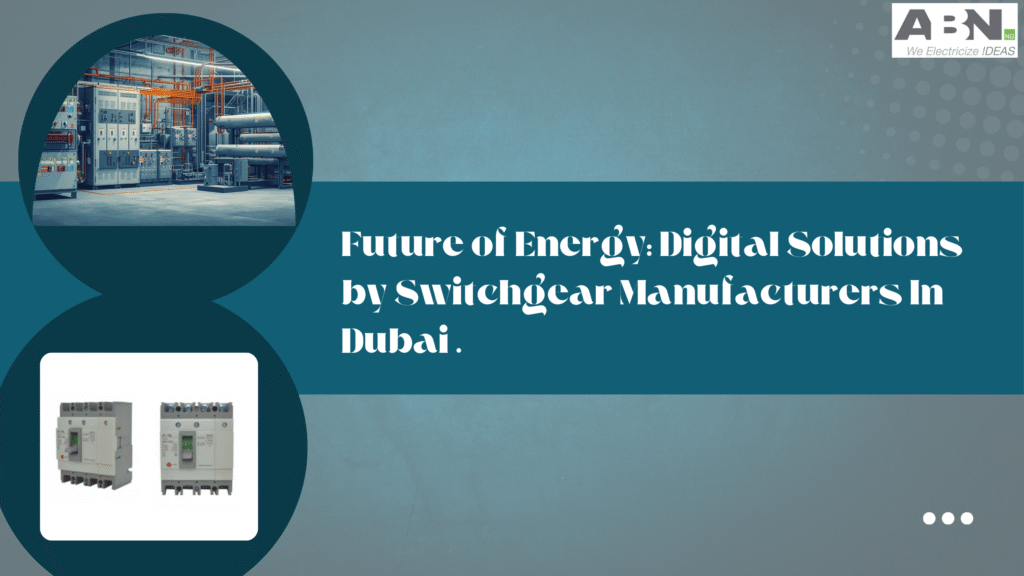
The global energy landscape is undergoing a massive transformation. As industrial facilities, commercial complexes, and massive infrastructure projects expand, the demand for reliable power has never been higher. Meeting this demand requires more than just basic electrical hardware. It requires intelligent, data-driven systems capable of optimizing power flow and preventing catastrophic failures.
At the center of this technological shift are innovative switchgear manufacturers in Dubai. These companies are no longer just fabricating metal enclosures and mechanical breakers. They are developing advanced digital solutions that form the backbone of modern power distribution. By integrating software, automation, and real-time analytics, these leaders are redefining how industrial business owners and engineers manage electricity.
This guide explores the profound impact of digital technologies on power management, the evolution of electrical switchgear systems, and how forward-thinking manufacturers are securing the future of energy across India and the globe.
What Are Switchgear Systems and Their Importance
To understand the future of power, you first need to understand its foundation. Electrical switchgear systems consist of various switching devices, fuses, circuit breakers, and isolators. These components work together to control, protect, and isolate electrical equipment.
When a fault occurs—such as a short circuit or an overload—switchgear isolates the affected section of the grid. This rapid response protects expensive machinery and prevents widespread outages. Without reliable switchgear, industrial complexes and commercial buildings would face constant safety hazards and operational downtime.
Modern facilities rely heavily on both low voltage switchgear for localized distribution and high voltage switchgear for major transmission networks. As electricity consumption surges, maintaining these systems becomes critical to sustaining daily operations and ensuring the safety of personnel.
Evolution of Switchgear in the Digital Era
Historically, switchgear operated purely on mechanical and electromechanical principles. Facility managers had to conduct manual inspections, physically reading analog meters and testing individual relays. This reactive approach meant that maintenance usually happened only after a failure occurred.
The digital era has completely rewritten this operational playbook. Over the last decade, smart switchgear solutions have emerged as the new standard. By incorporating microprocessors, digital sensors, and communication interfaces, traditional panels have evolved into intelligent nodes within a larger energy management network.
Instead of waiting for a component to break, modern digital power distribution networks constantly analyze their own health. They communicate seamlessly with central control rooms, providing facility managers with unprecedented visibility into their electrical infrastructure.
The Role of Switchgear Manufacturers in Modern Energy Infrastructure
Building a resilient energy grid requires exceptional engineering and continuous innovation. Top switchgear manufacturers in Dubai serve as the architects of this modern infrastructure. They bridge the gap between raw electrical distribution and sophisticated IT networks.
These manufacturers are responsible for designing products that can withstand harsh industrial environments while processing complex digital algorithms. Particularly for companies in India—where rapid industrialization puts immense strain on the power grid—having robust, future-ready electrical infrastructure is non-negotiable.
Organizations seeking to upgrade their infrastructure often partner with an experienced electrical solutions provider like ABN. As a trusted name among modern switchgear manufacturers, ABN engineers systems that integrate seamlessly with smart grids. Their commitment to global standards and eco-conscious manufacturing ensures that infrastructure developers receive technology built for long-term performance.
Digital Solutions in Switchgear
The transition to smart infrastructure relies on several core digital technologies. Manufacturers are integrating these tools directly into their product lines to create highly responsive power networks.
IoT Integration
The Internet of Things (IoT) connects physical circuit breakers and relays to the cloud. IoT-enabled switchgear continuously transmits operational data, such as temperature, voltage, and current levels. This connectivity allows engineers to monitor equipment from anywhere in the world, ensuring optimal performance around the clock.
Automation
Power automation systems remove human error from critical electrical processes. Automated switchgear can instantly reroute power during an outage, balancing loads across different circuits without requiring manual intervention. This self-healing capability is vital for facilities that cannot afford even a single minute of downtime.
Real-Time Monitoring
Waiting for a monthly energy report is no longer sufficient. Digital panels provide real-time monitoring dashboards that display exact energy consumption metrics. Facility managers can identify energy spikes as they happen, allowing them to adjust usage and avoid peak demand charges.
Predictive Maintenance
Perhaps the most valuable digital solution is predictive maintenance. Advanced algorithms analyze the data collected by sensors to predict when a component is likely to fail. Instead of performing routine maintenance based on a calendar, technicians can replace parts exactly when needed, maximizing the lifespan of the equipment.
Benefits of Smart Switchgear Systems
Investing in digital switchgear yields significant returns for industrial and commercial operations. The shift from analog to smart technology offers four primary advantages.
Increased Efficiency
Energy management systems linked to smart switchgear eliminate power waste. By analyzing load profiles, businesses can optimize their energy consumption, reducing their carbon footprint and contributing to broader sustainability goals.
Enhanced Safety
Electricity is inherently dangerous. Digital switchgear minimizes the need for personnel to interact directly with live panels. Remote operation capabilities and advanced arc flash protection mechanisms keep workers safely out of harm’s way.
Cost Reduction
Unplanned downtime can cost industrial facilities thousands of dollars per minute. Predictive maintenance significantly reduces the likelihood of these unexpected failures. Furthermore, precise energy monitoring helps organizations negotiate better utility rates and lower their monthly operational expenses.
Unmatched Reliability
When production lines must run 24/7, reliability is paramount. Smart switchgear solutions provide consistent, clean power to sensitive industrial machinery. The automated fault isolation ensures that a localized issue never cascades into a total system blackout.
Applications Across Industries
The versatility of modern switchgear makes it essential across a wide variety of sectors. Leading electrical panel manufacturers customize their solutions to meet the specific demands of different environments.
Industrial Complexes
Manufacturing plants require massive amounts of power to run heavy machinery. Industrial electrical solutions must handle high fault currents and frequent switching operations. Digital switchgear ensures that production lines operate smoothly, protecting expensive motors and drives from voltage fluctuations.
Commercial Buildings
Large retail malls, corporate offices, and hotels rely on stable power for lighting, HVAC systems, and elevators. Smart low voltage switchgear allows building managers to track energy usage across different floors or tenant spaces, promoting better energy accounting and billing accuracy.
Infrastructure Developers
Airports, railways, and hospitals represent critical infrastructure where power loss is simply unacceptable. Switchgear companies India and abroad design highly redundant systems for these facilities. Automatic transfer switches ensure that backup generators take over seamlessly the moment grid power fails.
Future Trends in Energy and Power Distribution
The innovation within power distribution is accelerating. As the world shifts toward renewable energy, the grid must become more flexible. Solar panels and wind turbines produce variable power, requiring switchgear that can safely integrate these decentralized energy sources.
Furthermore, artificial intelligence will soon play a larger role in power automation systems. AI-driven switchgear will be capable of autonomously negotiating energy prices with the grid, choosing the most cost-effective times to draw power or utilize battery storage.
Sustainability will remain a driving force. Manufacturers are heavily investing in eco-friendly insulation gases, moving away from environmentally harmful materials like SF6. The focus is squarely on creating high-performance systems that protect both the electrical grid and the planet.
Frequently Asked Questions (FAQs)
What are smart switchgear solutions?
Smart switchgear solutions integrate traditional electrical components with digital sensors, microprocessors, and IoT connectivity. They allow for real-time monitoring, automated fault isolation, and predictive maintenance, making power distribution networks highly efficient, safe, and reliable for industrial and commercial use.
Why are switchgear manufacturers important for infrastructure?
Top switchgear manufacturers design and build the critical hardware and software necessary to protect and control electrical grids. They ensure that hospitals, factories, and commercial buildings receive stable power while preventing electrical faults from causing catastrophic damage to expensive machinery.
How does predictive maintenance work in electrical panels?
Predictive maintenance uses data collected by digital sensors inside the switchgear. Algorithms analyze variables like temperature and vibration to detect early signs of wear. This allows engineers to replace parts right before they fail, avoiding costly unplanned downtime.
What is the difference between low voltage and high voltage switchgear?
Low voltage switchgear generally operates up to 1,000 volts and is used for localized power distribution inside buildings and factories. High voltage switchgear handles voltages above 36,000 volts and is utilized in massive power transmission networks to move electricity over long distances.
Are digital power distribution systems secure from cyber threats?
Yes, reputable switchgear manufacturers build robust cybersecurity protocols directly into their digital systems. These measures include encrypted communication channels, secure user authentication, and regular firmware updates to protect the energy network from external hacking attempts.
How do modern switchgear systems support renewable energy?
Modern electrical switchgear systems are designed to handle bidirectional power flow. This flexibility allows facilities to safely integrate decentralized renewable energy sources, like solar panels or wind turbines, seamlessly balancing green energy with traditional grid power.
Secure Your Energy Future
The digital transformation of power distribution is no longer a distant concept; it is happening right now. Facilities that cling to outdated, mechanical electrical infrastructure risk falling behind in efficiency, safety, and operational uptime. Upgrading to smart, IoT-enabled switchgear is a strategic investment that pays dividends through reduced maintenance costs, lower energy bills, and unparalleled reliability.
If you are an engineer, contractor, or business owner looking to modernize your facility, partnering with the right experts is crucial. ABN stands out as a premier switchgear manufacturers and electrical solutions provider. Their comprehensive range of products—from intelligent low voltage panels to heavy-duty industrial systems—is engineered to meet the highest global standards.
Embrace the future of energy and protect your critical operations with technology built for tomorrow. Contact ABN today to discuss your project requirements and discover how their advanced electrical solutions can drive your business forward.